
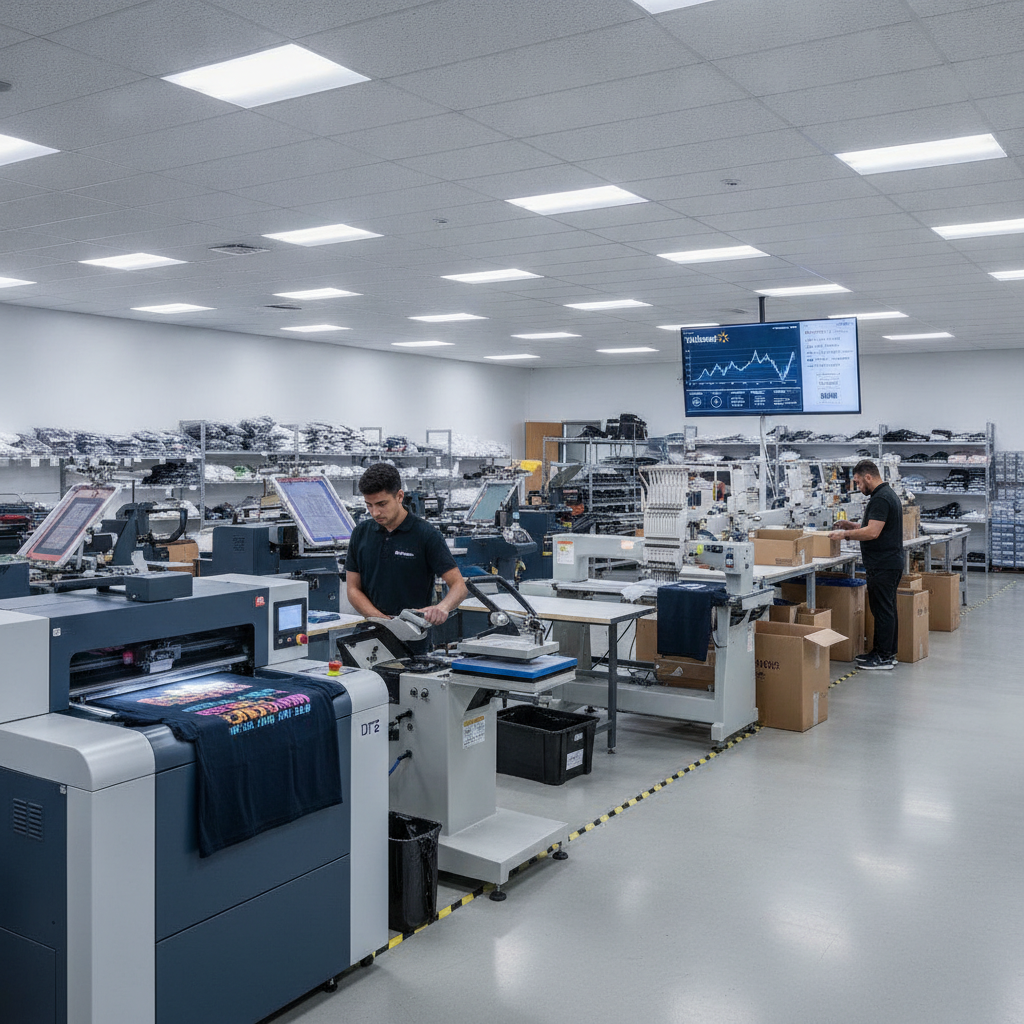
Walmart Marketplace is one of the larger online destinations a print-on-demand (POD) seller can add to their channel mix. The opportunity is real, but so is the bar for entry. Walmart vets sellers carefully, holds listings to specific standards, and measures fulfillment performance closely. If you understand what's expected before you apply, you can move through approval and onboarding without the false starts that slow most new sellers down.
This guide breaks the process into three parts: getting approved, building listings that meet Walmart's standards, and meeting the fulfillment expectations that keep your account in good standing.
Getting approved as a Walmart Marketplace seller
Walmart's application process is more selective than some other marketplaces. The platform wants established sellers with a track record of professional, reliable operations. Before you apply, get your business fundamentals in order.
You'll typically need a registered business entity, a tax ID, and a verifiable business address and history. Walmart looks for sellers who already have a presence elsewhere — a working website or a history of selling on other channels signals that you can handle volume and customer service. For a POD shop, that means showing you can produce and ship custom products consistently, not just list them.
What to prepare before applying
- Business documentation: entity registration, tax information, and a primary business contact.
- Product catalog readiness: accurate titles, descriptions, images, and category data for the items you plan to list.
- Fulfillment plan: a clear answer to how you'll produce, pack, and ship orders within Walmart's expected timelines.
- Returns policy: a customer-friendly policy that aligns with marketplace requirements.
POD products add a wrinkle here. Because items are made to order, you need to be confident in your production lead times before you commit to shipping promises. Underestimating that step is the most common way new POD sellers run into trouble after approval.
Meeting Walmart's listing standards
Once approved, your listings have to meet Walmart's content and quality requirements. The marketplace rewards complete, accurate, well-structured listings with better visibility, and it suppresses or flags listings that fall short.
Content quality basics
- Titles should be descriptive and follow Walmart's recommended structure — brand, product type, and key attributes — without keyword stuffing.
- Images need to be high resolution, on a clean background for the main image, and accurately represent the printed product. For POD, that means your mockups should reflect what the customer actually receives.
- Descriptions and bullet points should cover materials, sizing, print method, and care instructions so buyers know exactly what they're getting.
- Attributes and category data must be filled out completely. Missing attributes hurt discoverability and can block a listing from going live.
Accurate variant data matters a lot for apparel and other POD categories. Color, size, and style variations all need to map correctly, and your available inventory needs to reflect what you can actually produce. Listing a color or size you can't reliably print is a fast way to generate cancellations.
When you sell across several marketplaces, keeping listing data consistent everywhere becomes a job in itself. Tools like multichannel listing software help you manage product content from one place rather than rebuilding every catalog by hand for each channel.
Fulfillment expectations for POD sellers
Fulfillment is where Walmart applies the most pressure, and where print-on-demand sellers feel it most. Because your products are made to order, you don't have finished stock sitting on a shelf — every order triggers a production run. Walmart still expects you to ship on time and confirm tracking promptly.
The metrics Walmart watches
Walmart evaluates seller performance on several operational signals, including on-time shipment rate, valid tracking rate, and cancellation rate. Consistently missing these can put your account at risk. The practical takeaway: set ship times you can actually meet during your busiest weeks, not just your slow ones.
For a POD operation, hitting those targets comes down to disciplined production and shipping. That means:
- Routing every order into production quickly so nothing sits unacknowledged.
- Tracking real inventory of blanks by color and size so you don't promise products you can't make.
- Generating carrier labels and confirming tracking back to Walmart fast.
- Keeping cancellations low by only listing what you can fulfill.
How a fulfillment platform keeps POD operations on track
The challenge with print-on-demand on Walmart isn't the listings — it's running production reliably enough to meet marketplace metrics while you may also be selling elsewhere. This is where a unified platform earns its keep.
Pythias Technologies connects directly to Walmart and 18+ other marketplaces, plus hundreds more channels through partner integrations. Orders from every connected channel flow into one unified production queue, with dedicated queues for DTF, DTG, embroidery, and sublimation, each with its own routing rules and print-ready file handling. Tracking is confirmed back to each marketplace automatically — which directly supports Walmart's valid-tracking expectations.
On the inventory side, Pythias tracks real-time stock by blank, color, and size with low-stock and reorder alerts, so you're less likely to oversell a variant and trigger a cancellation. It also generates carrier shipping labels for USPS, FedEx, and UPS from within the same pipeline. You can run your own production with Fulfillment Cloud, or use Commerce Cloud to auto-route orders to vetted fulfillment partners scored by geography, price, and reliability. Pricing uses a flat monthly subscription with no per-order fees, and most shops are fully live within about two weeks.
If you're weighing how to keep order management and inventory under control as you add Walmart to your channel mix, it's worth booking a demo to see how the pieces fit your shop. You can also review the pricing tiers to find the right starting point.
Putting it together
Selling print-on-demand on Walmart Marketplace rewards sellers who prepare. Get your business documentation and fulfillment plan ready before you apply, build complete and accurate listings, and treat fulfillment metrics as the priority they are. With the operational side handled well, Walmart becomes a strong addition to a multichannel POD business rather than a source of account headaches.